Source Semi-Hard Irregular Sunglasses Case for Jewelry, Gifts, and Cosmetics
Find 30 Semi-Hard Irregular Sunglasses Case options from Chinese manufacturers. Compare customization features like logo printing, material choices including PU and cardboard, and packaging styles for jewelry, gifts, and cosmetics. Request samples and quotes for your specific design needs.
Key considerations
Products List


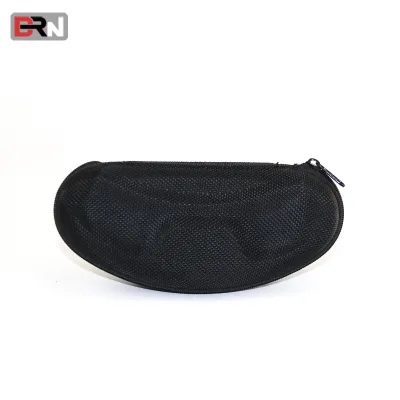
Portable Eyewear Cases Cover Sunglasses Hard Case for Women Men Glasses Box
$2.05 - $4.88
MOQ: 300 Pieces


Custom Eyeware Sleeve Storage Bag Black Leather Sunglasses Case with Closure
$0.35 - $1.99
MOQ: 300 Pieces

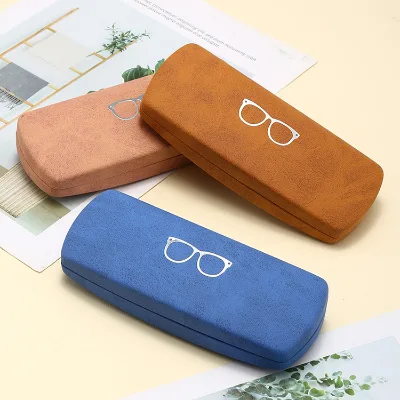
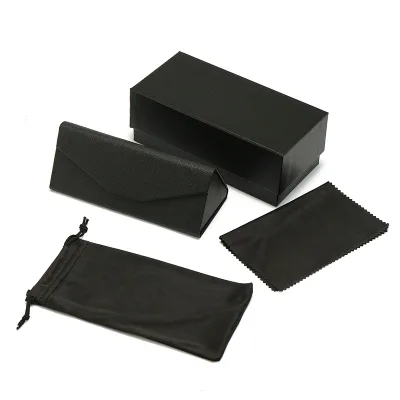


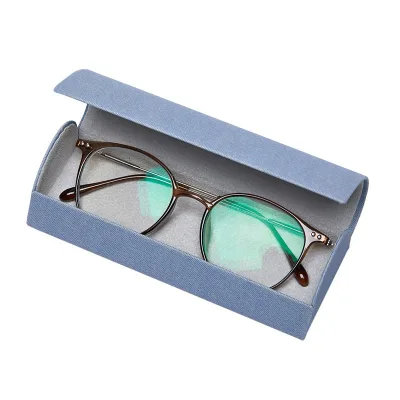
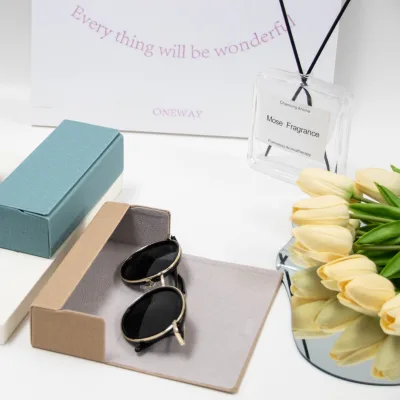


PU Sunglasses Hard Cases OEM Custom Logo Metal Spectacle Sunglasses Case
$1.88 - $5.98
MOQ: 1000 Pieces


Comprehensive Sourcing Guide
Semi-Hard Irregular Sunglasses Case Sourcing Guide
Procuring semi-hard irregular sunglasses cases requires a nuanced understanding of material flexibility and structural integrity. Unlike rigid hard-shell alternatives, these cases offer a balance of protection and portability, often utilizing materials like PU leather, felt, or custom cardboard composites. Buyers must evaluate how the "semi-hard" designation translates to actual drop protection for delicate eyewear. The irregular shape allows for unique branding opportunities but complicates inventory management and stacking efficiency. Understanding the specific material composition is the first step in ensuring the case meets both aesthetic and functional requirements for your brand.
The sourcing landscape for these items is diverse, with manufacturers offering extensive customization options including logo printing and OEM/ODM design services. Common materials observed in the market include C1S, C2S, and corrugated cardboard for paper-based options, as well as PU and genuine leather for more premium finishes. Buyers should verify if the supplier supports CMYK or Pantone printing to ensure color accuracy. The ability to customize dimensions and closures, such as magnetic snaps, adds value but requires precise technical specifications to avoid fit issues with specific sunglass models.
Product Scope and Observed Listing Signals
The current market signals indicate a wide range of product types, from simple paper-based gift boxes to more complex eyewear-specific cases. Listings frequently highlight features like foldability, custom printing, and specific closures such as magnets. The observed price range suggests significant variation based on material quality and order volume, with lower-cost options often utilizing basic cardboard or simple PU constructions. Buyers should note that "irregular" shapes may incur higher tooling or setup costs compared to standard rectangular forms. This variability necessitates careful comparison of unit prices against the complexity of the requested design.
Observed minimum order quantities (MOQs) typically start at 1,000 pieces, though some suppliers may accommodate lower volumes for standard designs. The presence of free samples is a common incentive, allowing buyers to assess physical quality before committing to large orders. Packaging methods vary, with options including individual OPP bags, polyfoam inserts, or gift boxes for retail presentation. It is crucial to verify if the listed price includes shipping or if it is an ex-works figure, as international logistics can significantly impact the final landed cost for these lightweight but bulky items.
Technical Specifications to Verify
When defining technical requirements, buyers must specify the exact dimensions, closure type, and internal padding. Common specifications include magnetic closures for ease of use and foldable designs for space efficiency. Materials such as PU, genuine leather, velvet, or felt offer different tactile experiences and durability levels. It is essential to confirm whether the case is designed to be folded or remains unfolded, as this affects storage and shipping logistics. Detailed technical drawings should be provided to suppliers to ensure the irregular shape meets the specific dimensions of the sunglasses being packaged.
Printing and branding specifications are equally critical for brand consistency. Buyers should verify the supplier’s capability for offset printing, CMYK, or Pantone matching to achieve accurate logo reproduction. The surface handling process, whether it involves lamination, embossing, or debossing, will affect the final look and feel. Additionally, confirm the standard packaging for bulk shipments, such as carton packing with specific quantities per box. Ensuring that the internal structure provides adequate protection without adding excessive weight is a key technical consideration for global shipping efficiency.
Compliance and Safety Documentation
Regulatory compliance varies depending on the target market and material composition. Suppliers often list certifications such as CE, SGS, FDA, ISO, and Reach, which indicate adherence to various safety and environmental standards. For products intended for food or cosmetic packaging, FDA compliance is particularly important. However, for eyewear cases, the focus is often on material safety and chemical restrictions, such as REACH compliance in Europe. Buyers must request current certification documents to verify that the materials used do not contain harmful substances that could degrade over time or pose health risks.
Environmental certifications like FSC (Forest Stewardship Council) are relevant for paper-based cases, ensuring sustainable sourcing of cardboard materials. Buyers should inquire about the supplier’s waste management practices and recycling capabilities during production. It is also important to verify if the supplier conducts internal quality tests for durability and colorfastness. Requesting test reports for specific materials, such as PU leather or felt, can provide additional assurance of product longevity. Clear documentation of compliance helps mitigate legal risks and enhances brand reputation in regulated markets.
Cost Drivers and Commercial Terms
Several factors influence the final cost of semi-hard irregular sunglasses cases. Material selection is a primary driver, with genuine leather and specialized fabrics commanding higher prices than standard cardboard or basic PU. The complexity of the irregular shape and the number of custom features, such as magnetic closures or internal pockets, also increase production costs. Printing requirements, including the number of colors and special finishes, add to the expense. Buyers should request detailed breakdowns of costs to understand where savings can be made without compromising quality.
Commercial terms such as MOQ, lead times, and payment conditions significantly impact procurement strategy. Higher volumes typically result in lower unit prices, but buyers must balance this with inventory holding costs. Lead times can vary based on the complexity of the design and the current production schedule of the supplier. It is advisable to negotiate clear terms for sample approval and mass production timelines. Understanding the total landed cost, including shipping and duties, is essential for accurate margin calculation and competitive pricing in the final market.
Supplier Qualification and Quality Control
Selecting a reliable supplier involves verifying their manufacturing capabilities and quality control processes. Buyers should assess the supplier’s experience in producing similar products, particularly those with irregular shapes and custom features. Requesting references or case studies can provide insight into their reliability and consistency. It is also important to verify their production capacity and ability to meet large orders within specified deadlines. A supplier with a robust quality control system will have clear procedures for inspecting materials, production, and final packaging.
Quality control should include checks for material defects, printing accuracy, and structural integrity. Buyers should define acceptable quality limits (AQL) for defects such as misalignment, color variation, or closure failures. Conducting pre-shipment inspections is a recommended practice to ensure the final products meet the agreed specifications. Suppliers who offer free samples and are transparent about their production processes are often more reliable partners. Building a strong relationship with the supplier through clear communication and regular feedback can help maintain consistent quality over time.
Long-Term Procurement Checks
Sustaining a successful sourcing relationship requires ongoing monitoring and evaluation of supplier performance. Regular audits of production quality and delivery times help identify potential issues before they become critical. Buyers should maintain open communication channels to address any changes in design or material requirements. It is also important to stay informed about market trends and new material innovations that could enhance product value. Periodic review of pricing and terms ensures that the procurement strategy remains competitive and aligned with business goals.
Long-term checks should also include assessing the supplier’s adaptability to regulatory changes and sustainability demands. As environmental regulations tighten, suppliers who proactively adopt sustainable practices will be better positioned to support long-term procurement needs. Buyers should encourage suppliers to invest in continuous improvement and innovation. By fostering a collaborative partnership, buyers can benefit from the supplier’s expertise and insights, leading to better product outcomes and more efficient supply chain operations. This proactive approach helps mitigate risks and ensures a stable supply of high-quality semi-hard irregular sunglasses cases.
FAQs
Can I get custom logo printing on these boxes?
Yes, logo printing is available for these gift boxes. The product supports both CMYK and Pantone printing methods to ensure brand accuracy. Customization options allow you to tailor the design to your specific needs while maintaining high-quality output standards.
What materials are used for the glasses cases?
The glasses cases are constructed from PU, genuine leather, velvet, felt, or customizable materials. These options provide durability and a premium feel. You can select the specific material that best suits your product requirements and target market preferences.
Which certifications do the products hold?
The products hold CE, SGS, FDA, ISO, Reach, and FSC certifications. These credentials ensure compliance with international safety and environmental standards. Buyers can rely on these verified attributes when sourcing for regulated markets or specific industry requirements.
How is the packaging handled for shipping?
Items are packed in A=B stand cartons or PVC bags with polyfoam. This secure packaging protects the goods during transit. The packing method is designed to prevent damage and ensure that the products arrive in perfect condition for your customers.
What is the minimum order quantity for these items?
The minimum order quantity is 1000 pieces for standard orders. However, sample availability is free for evaluation purposes. This MOQ structure supports bulk procurement while allowing buyers to test product quality before committing to larger volumes.
Can the box dimensions be customized?
Yes, the product standard allows for customized sizes and specifications. You can request specific dimensions to fit your unique packaging needs. This flexibility ensures the final product aligns perfectly with your design and functional requirements.
Where are these products manufactured?
These products originate from China, specifically from Fujian. The manufacturing location supports efficient production and logistics. Buyers can expect reliable supply chain management and established production capabilities from this region.